Why demand is visible
Robot makers and integrators consistently present palletizing as a mature automation use case for boxes, bags, cartons, trays, food, beverage, consumer goods, and logistics operations.
Palletizing inquiries convert well when the buyer can share case weight, case size, pallet pattern, target throughput, SKU mix, and line layout. RoboticsInquiry packages those details into an RFQ for robot arms, end-effectors, conveyors, and controls.
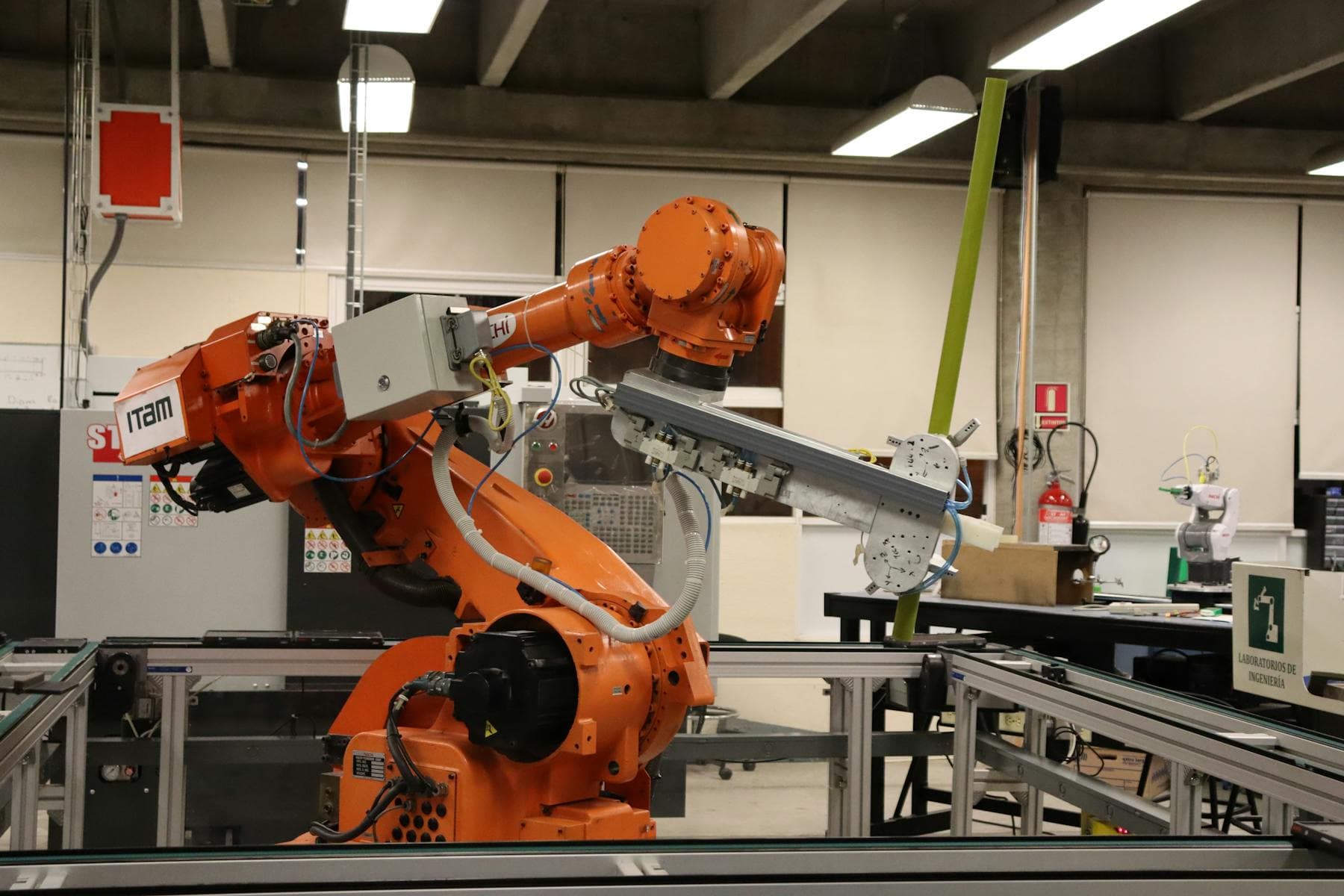
Robot makers and integrators consistently present palletizing as a mature automation use case for boxes, bags, cartons, trays, food, beverage, consumer goods, and logistics operations.
A palletizing quote is not only a robot question. It depends on the product range, pallet size, layer pattern, infeed height, outfeed handoff, slip sheets, end-effector type, safety zone, and whether mixed-case handling is required.
The opportunity is to source the arm and mechanical package, then help the buyer separate factory-supplied hardware from local integration, safety validation, and commissioning responsibility.
A useful inquiry does not need to be perfect. It should give enough context to filter unsuitable robots before suppliers spend time quoting.
Start from product weight plus gripper weight, pallet reach, stack height, and target picks per hour. A heavy payload number alone is not enough.
We can structure the sourcing brief and shortlist hardware. Full cell delivery should be confirmed case by case, especially for local safety and commissioning requirements.
Page content is organized from public market signals, official robot application pages, and source material listed below. We paraphrase and adapt it into a buyer RFQ workflow instead of copying claims.
Send the details you already know. The sourcing desk can clarify missing payload, reach, torque, protocol, tooling, and timeline details before supplier matching.