Why buyers ask for this
Official SCARA and small-robot suppliers commonly position these robots for high-speed pick-and-place, assembly, dispensing, testing, inspection, packaging, and small-parts handling.
Electronics assembly buyers usually need speed, precision, small-part handling, clean cable routing, vision compatibility, and stable repeatability. RoboticsInquiry helps convert vague small-parts automation requests into SCARA, cobot, six-axis, gripper, and vision RFQs.
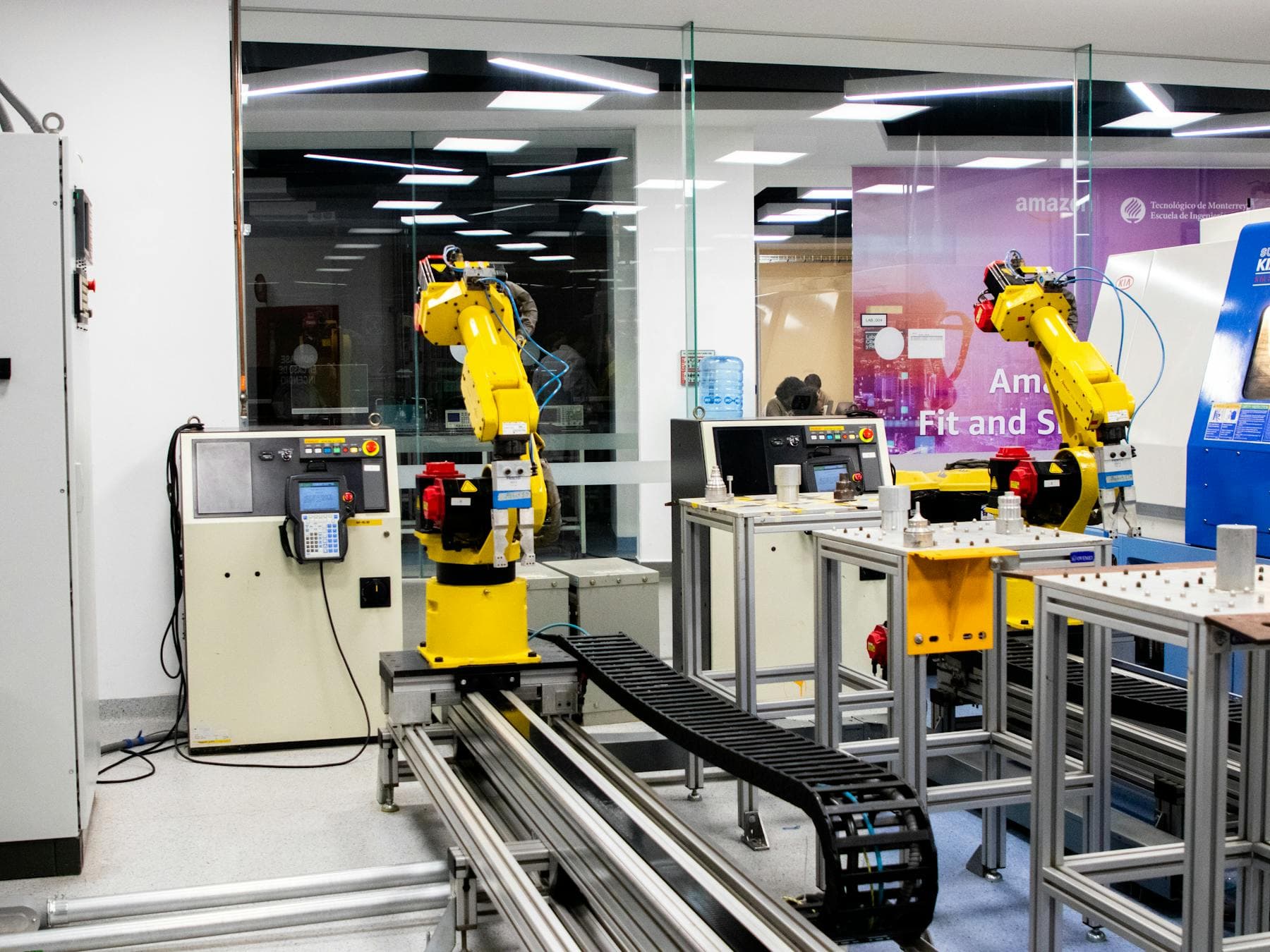
Official SCARA and small-robot suppliers commonly position these robots for high-speed pick-and-place, assembly, dispensing, testing, inspection, packaging, and small-parts handling.
Electronics assembly RFQs should pin down part dimensions, part fragility, cycle target, placement tolerance, camera/lighting needs, feeder style, ESD/cleanliness requirements, and changeover frequency.
China sourcing can help compare compact SCARA robots, small six-axis arms, cobots, micro-grippers, feeders, and vision accessories, especially for prototype and cost-sensitive lines.
A useful inquiry does not need to be perfect. It should give enough context to filter unsuitable robots before suppliers spend time quoting.
SCARA is often a strong fit for fast horizontal pick-and-place, assembly, and dispensing. Six-axis arms help when orientation changes, reach geometry, or tool approach angles are more complex.
Send part photos, dimensions, target cycle, tolerance, fixture/feeder layout, and whether vision inspection is required.
Page content is organized from public market signals, official robot application pages, and source material listed below. We paraphrase and adapt it into a buyer RFQ workflow instead of copying claims.
Send the details you already know. The sourcing desk can clarify missing payload, reach, torque, protocol, tooling, and timeline details before supplier matching.